
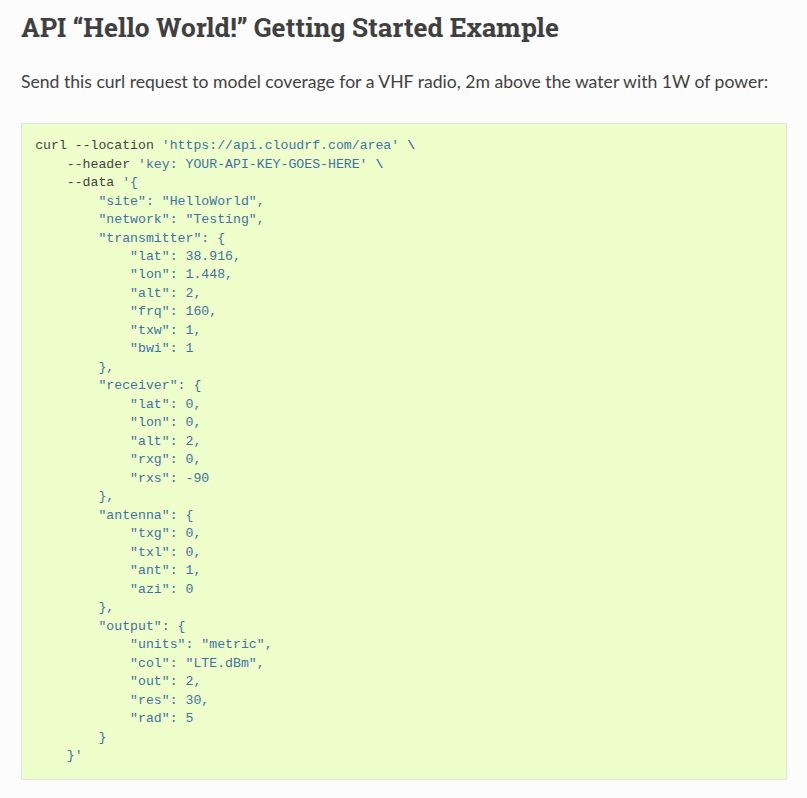
The CloudRF API is a scripting interface which allows developers to integrate the power and global data of CloudRF with just a few lines of code, in any language.
It has been integrated into many plugins, apps and spectrum management systems across multiple industries.
It works online and offline with our self-hosted SOOTHSAYER server.
Features
- Perform automated calculations from your data
- Enterprise GPU acceleration
- Global buildings, tree canopy and terrain data
- Human readable JSON output with URLs to open format files
- All calculations reside in your CloudRF account
- Download GIS raster and vector files for local analysis
- Develop for free with our free plan
- 14 years maturity. We have been perfecting RF simulation since 2012.
For companies looking to integrate RF planning into an existing system, this mature API will save years of development and liberate developers from reinventing the wheel.
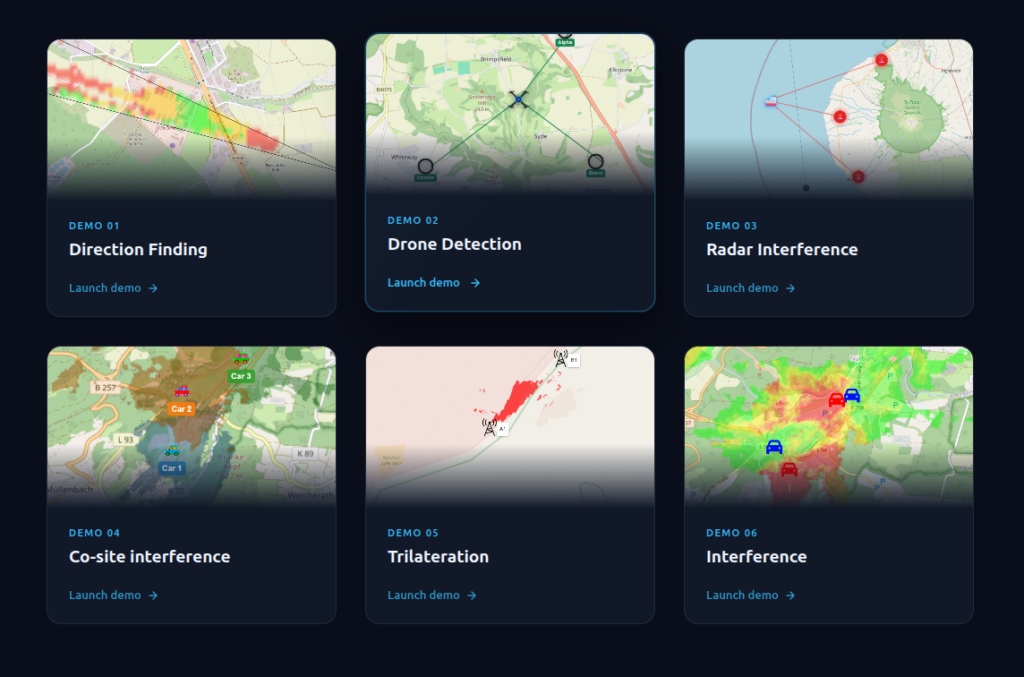
Demo Gallery
Our demo gallery provides a hosted selection of demos which use our API. Paste in your API key to use these.
API documentation
An introduction and examples are in our documentation.
The official developer’s OpenAPI reference is located here.
It’s also available on the Postman network.
Video tutorial
An introduction to using Python on Windows with the CloudRF API
Example code
Free public scripts and radio templates are available on our Github.
Hosted API demos
The best way to learn our API is by example. That’s why we have developed lots of open source examples you are free to take away and customise for your needs.
Single site coverage
Special use demos
These advanced demos use an API to solve a problem.
Case study: GoTAK
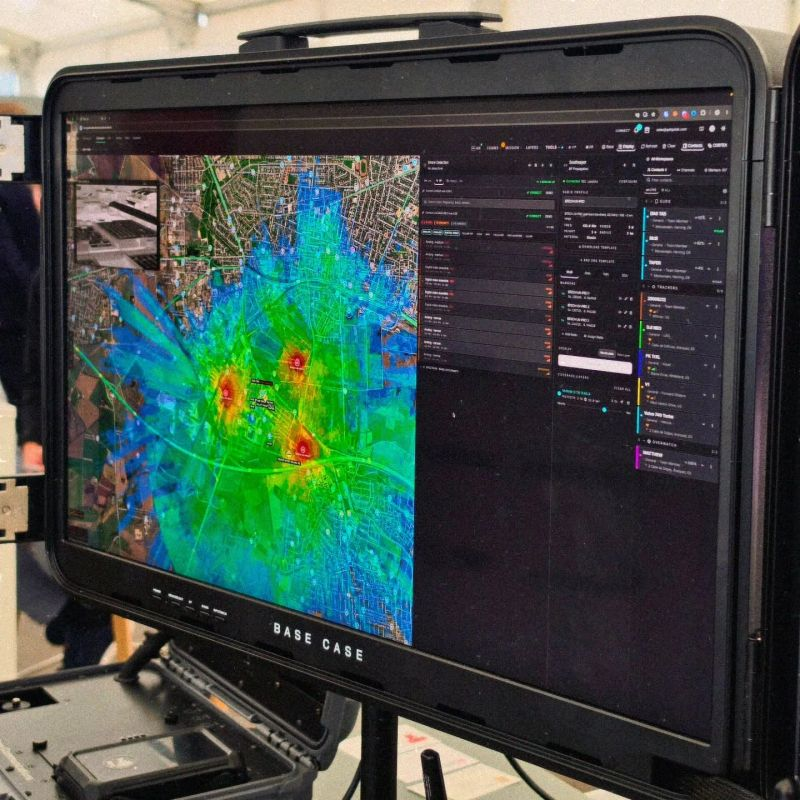
GoTAK integrated our Multisite API into their TAK_OS ultra portable counter drone system to model sensor coverage. As a result, they were able to leap ahead of the competition and focus engineering efforts onto their unique RiDAR hardware capability. The service can be powered via the public API or a self-hosted SOOTHSAYER server.
Case study: ATAK Plugins
Several ATAK plugins are powered by our API.
The most prominent example is our own SOOTHSAYER plugin which hands off resource intensive calculations to our API. When combined with the GPS and map on the phone, it allows users to do live simulation for moving radios without draining their batteries or requiring terrabytes of local data.
The server can be local as demonstrated in this field test.
Case Study: Confidential Client
A stock market listed company spent several years developing radio simulation for their spectrum management product. They purchased SOOTHSAYER following a quick trial and were able to replace their in-house simulation API with ours with minimal effort.
As a result, they gained 14 years of progress with radically improved simulation performance and data accuracy overnight and retained their product’s identity and workflows. Developers were free to focus on other features.